

 EN
EN
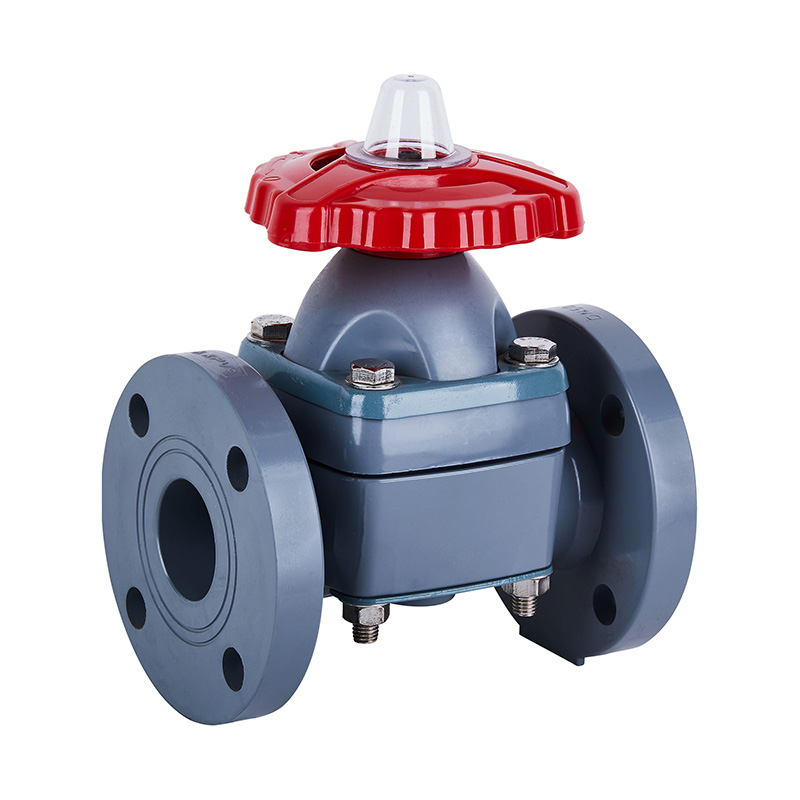
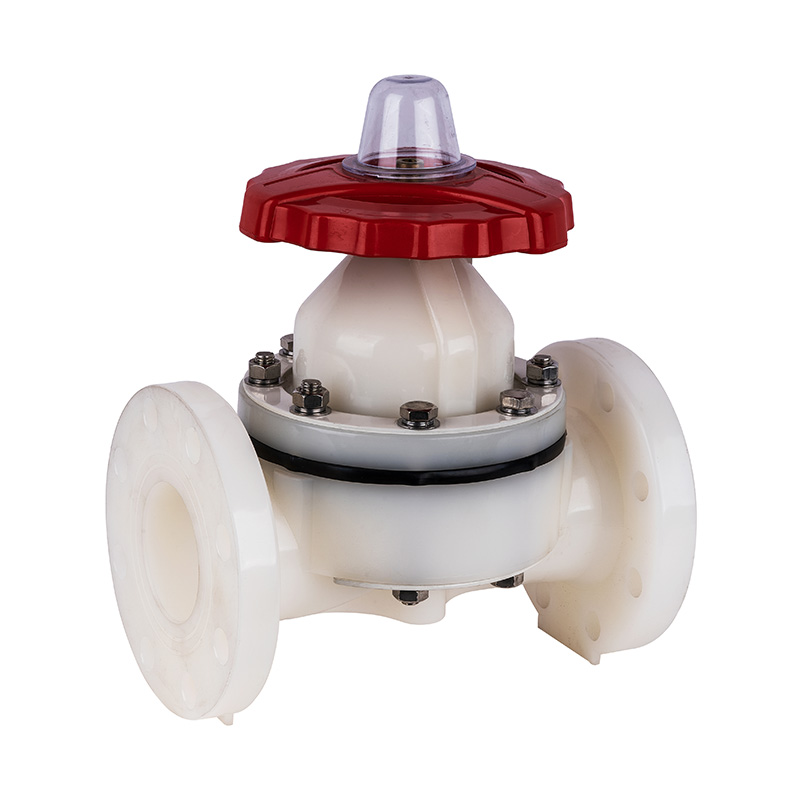
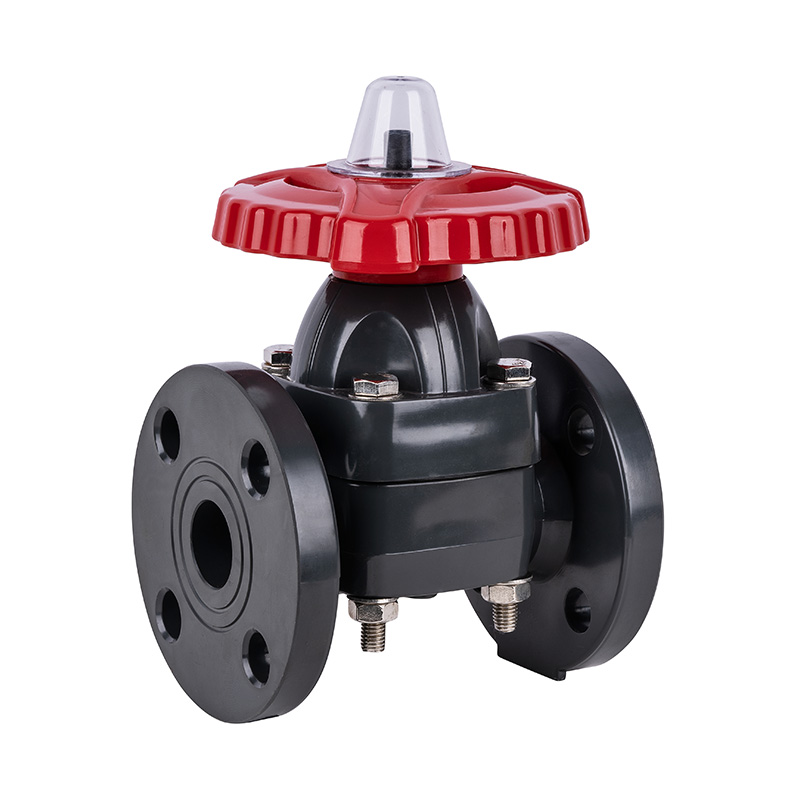
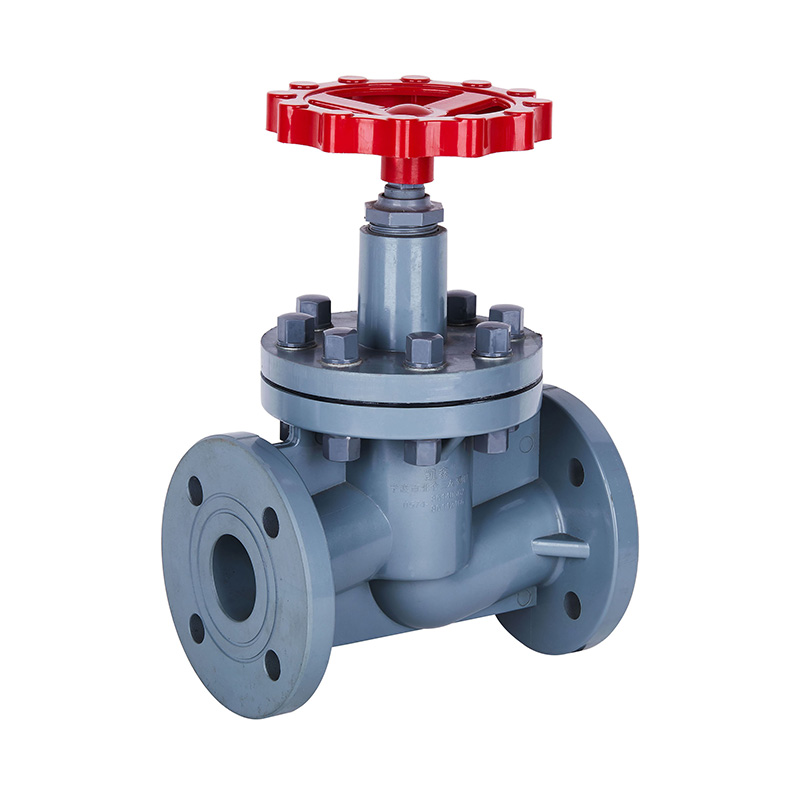
Kaixin, uma empresa de alta tecnologia especializada em P&D, produção e vendas de válvulas para dutos de polímero.
Ciência dos Materiais / Sistemas de Encanamento
PVC vs CPVC – A engenharia silenciosa por trás de cada conexão
Dois materiais, uma origem compartilhada e uma única etapa de cloração que separa um burro de carga de água fria de um especialista em resistência ao calor. Aqui está o que realmente os distingue – e por que a escolha é mais importante do que a maioria dos instaladores imagina.
A diferença entre acessórios de PVC e CPVC não é cosmética. É molecular. Ambos começam como a mesma resina de cloreto de vinila, mas uma etapa adicional de fabricação – pós-cloração – remodela a forma como cada material se comporta sob calor, pressão e tempo.
O PVC continua sendo o padrão para sistemas de água fria, drenagem e irrigação, valorizado por seu preço acessível e ampla disponibilidade. O CPVC, ainda mais clorado durante a produção, tolera temperaturas de até 200°F (93°C) – quase 60 graus além do que o PVC padrão pode suportar com segurança. Essa distinção única determina quase todas as decisões posteriores: conformidade com o código, vida útil e onde cada acessório pertence à arquitetura de encanamento de um edifício.
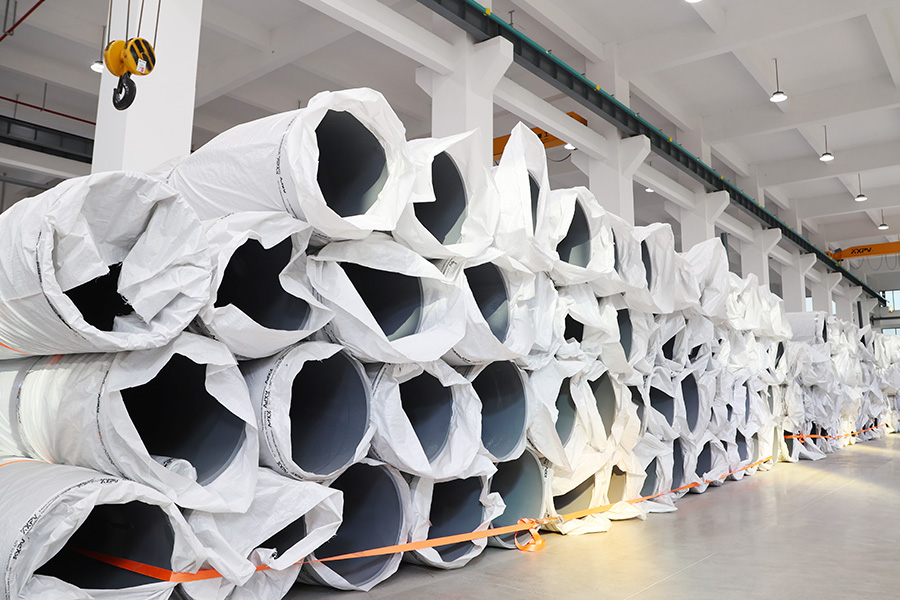
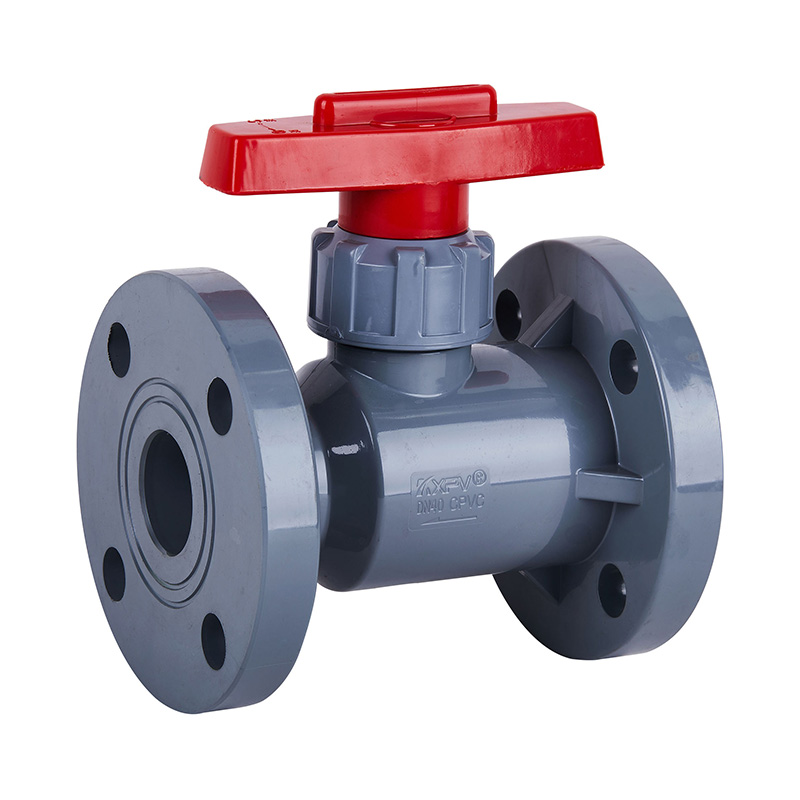
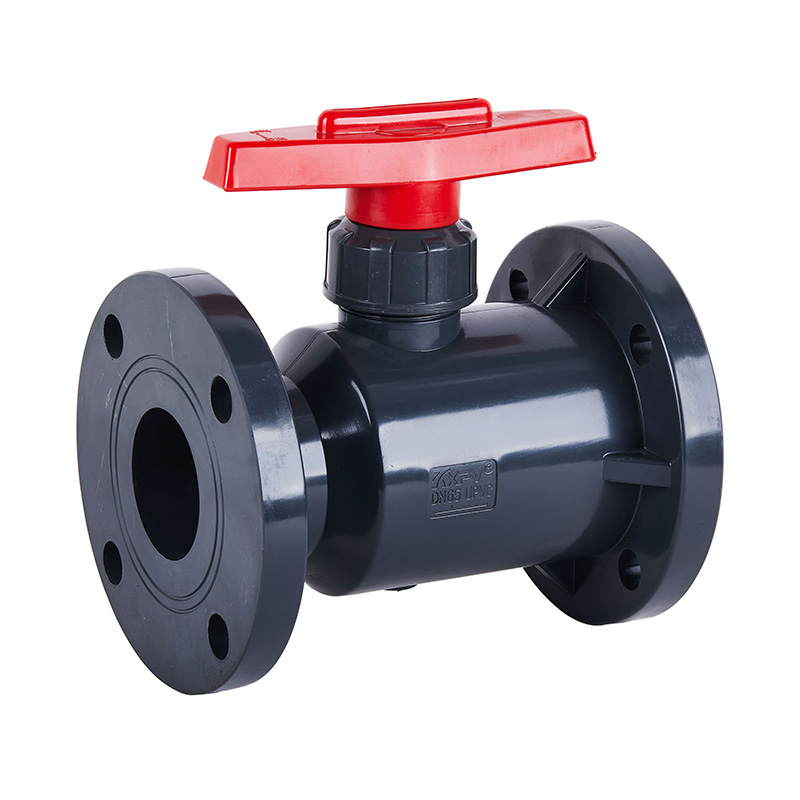
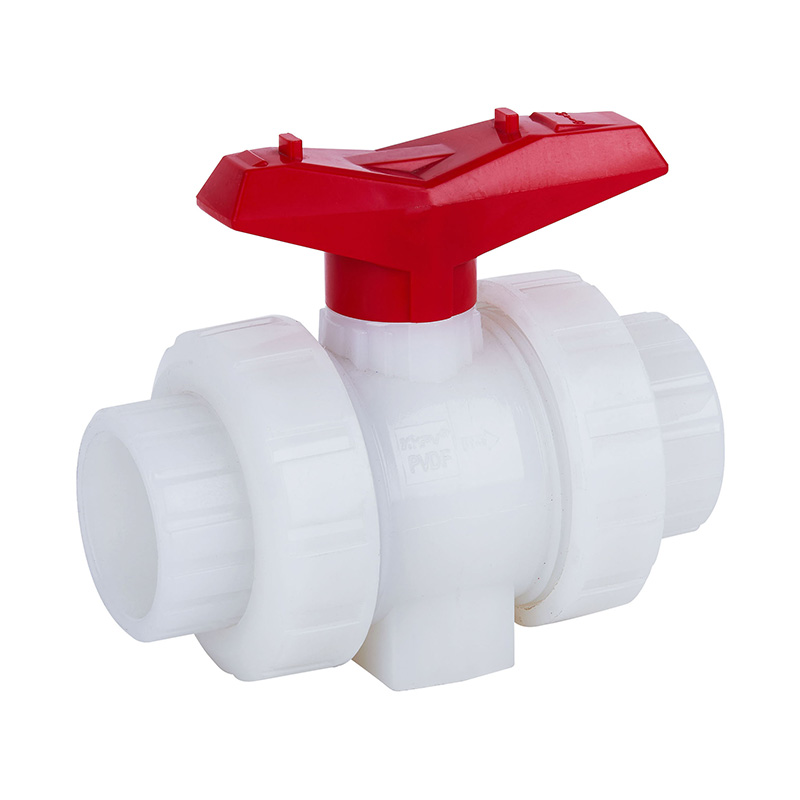
Acessórios para tubos de PVC
Uma origem compartilhada, um caminho divergente
A fabricação começa de forma idêntica – monômero de cloreto de vinila polimerizado em resina termoplástica rígida, estabilizada e extrudada. O CPVC diverge quando os fabricantes introduzem átomos de cloro adicionais na cadeia polimérica, aumentando o teor de cloro de aproximadamente 57% para até 69%. O resultado é uma estrutura molecular mais densa, mais resistente à deflexão térmica, à oxidação e ao estresse térmico de longo prazo.
A etapa extra de cloração custa mais para ser produzida – mas compra quase sessenta graus adicionais de espaço térmico, que é a razão pela qual o CPVC existe como uma categoria de material separada.
É por isso que o CPVC custa mais por conexão e porque a substituição do cimento solvente de um material pelo de outro é um dos erros de instalação mais comuns - e caros - em encanamentos residenciais.
Visão geral do desempenho
| Propriedade | PVC | CPVC |
|---|---|---|
| Temperatura operacional máxima | 140°F (60°C) | 200°F (93°C) |
| Conteúdo de cloro | ~57% | 63–69% |
| Resistência à tração | 7.000psi | 8.000psi |
| Custo típico | Linha de base inferior | 10–30% maior |
Onde cada material pertence
Escolher corretamente tem menos a ver com preferência e mais com combinar o material com a realidade térmica. Duas listas, dois locais de trabalho muito diferentes:
Alcance o PVC quando a linha envolver -
- Abastecimento de água fria em edifícios residenciais e comerciais
- Sistemas de drenagem, resíduos e ventilação (DWV)
- Irrigação subterrânea e distribuição agrícola
- Piscina, spa e encanamento geral de baixo calor
Alcance o CPVC quando a linha envolver -
- Abastecimento de água quente, residencial ou comercial
- Sistemas de sprinklers contra incêndio que exigem listagem UL/FM
- Tubulação de processo industrial que transporta fluidos quentes e corrosivos
- Ambientes onde o cobre falhou devido à corrosão pinhole
O erro do cimento que falha nos sistemas
O cimento solvente é formulado para a densidade de cloro de sua resina correspondente. PVC cimento cola PVC; O cimento CPVC une o CPVC. A aplicação cruzada produz uma junta que parece sólida na instalação e falha meses depois sob ciclos de pressão – um erro silencioso e caro.
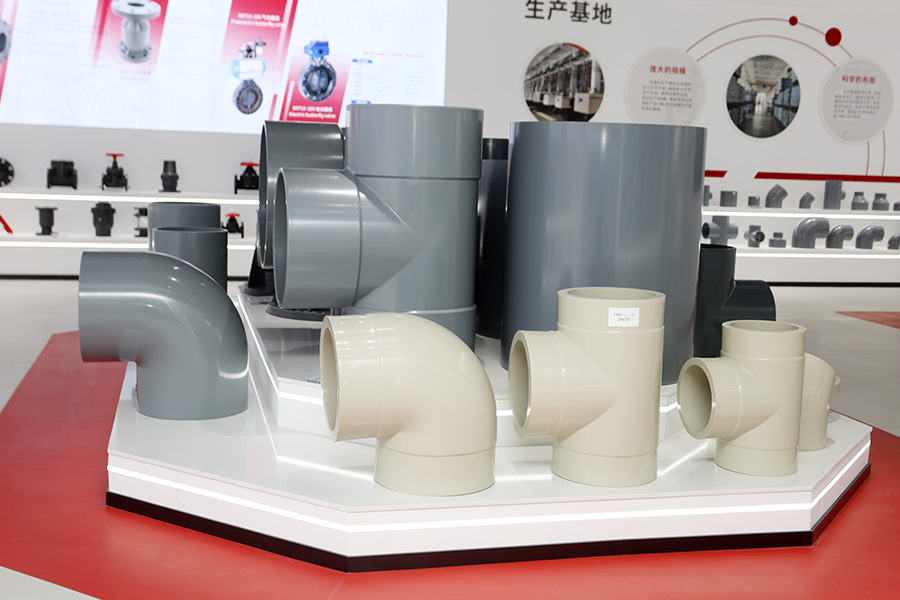
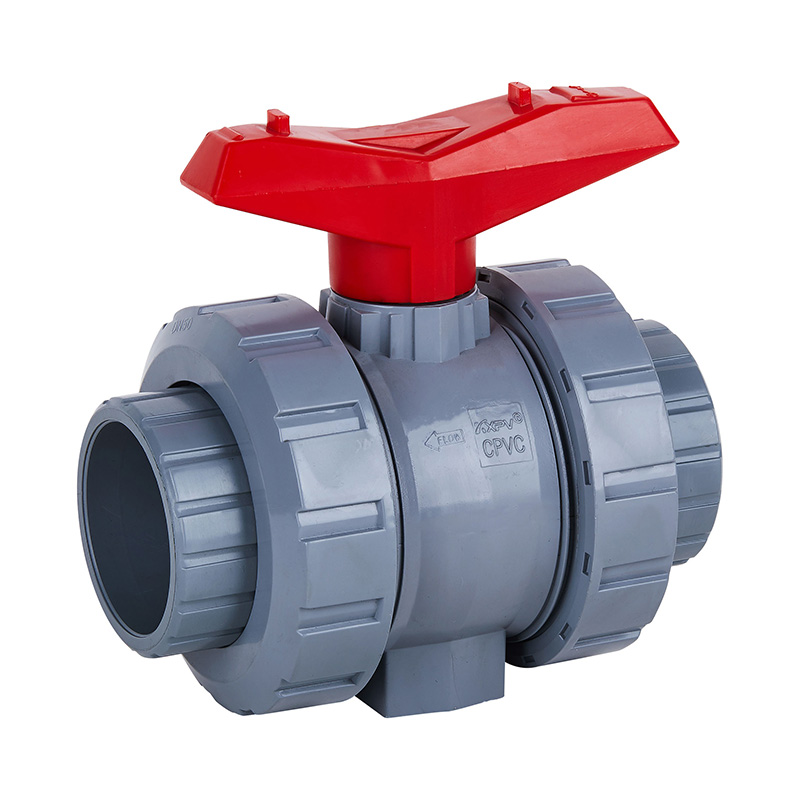
Acessórios para tubos CPVC
Aviso
Nunca substitua cimento de PVC por acessórios de CPVC ou vice-versa. A ligação pode parecer completa enquanto permanece estruturalmente deficiente.
Informações
As paredes de CPVC são normalmente mais finas que as de PVC em classificações de pressão equivalentes, uma vez que a densidade inerente do material permite que menos material faça mais trabalho.
Custo versus longevidade
O custo unitário mais alto do CPVC é frequentemente compensado pelo que ele evita: reparos de corrosão, vazamentos e substituição prematura comum às alternativas metálicas. Em sistemas de água quente, O CPVC funciona rotineiramente de forma confiável por 50 anos ou mais , tornando o prémio inicial um cálculo de valor a longo prazo, em vez de uma simples comparação de preços.
Sucesso
Para grandes cursos de água fria ou drenagem, o PVC padrão oferece desempenho total com custos de material significativamente mais baixos — sem concessões, sem especificações excessivas.
Uma lista de verificação de seleção de cinco pontos
- A linha algum dia transportará água acima de 140°F? Se sim, especifique CPVC.
- O código local exige um material específico para água quente ou proteção contra incêndio?
- A conexão ficará exposta à luz solar direta? Planeje a proteção UV adequadamente.
- Qual é o pico de pressão do sistema na temperatura operacional mais alta?
- O cimento solvente está corretamente adaptado ao material de adaptação?
Perigo
Exceder a temperatura nominal de um material não causa falha imediata – causa amolecimento gradual e fissuras por tensão que surgem meses ou anos depois.

 Sede: No. 539 Bohai Road, distrito de Beilun, cidade de Ningbo, província de Zhejiang, República Popular da China
 +86-18067123177